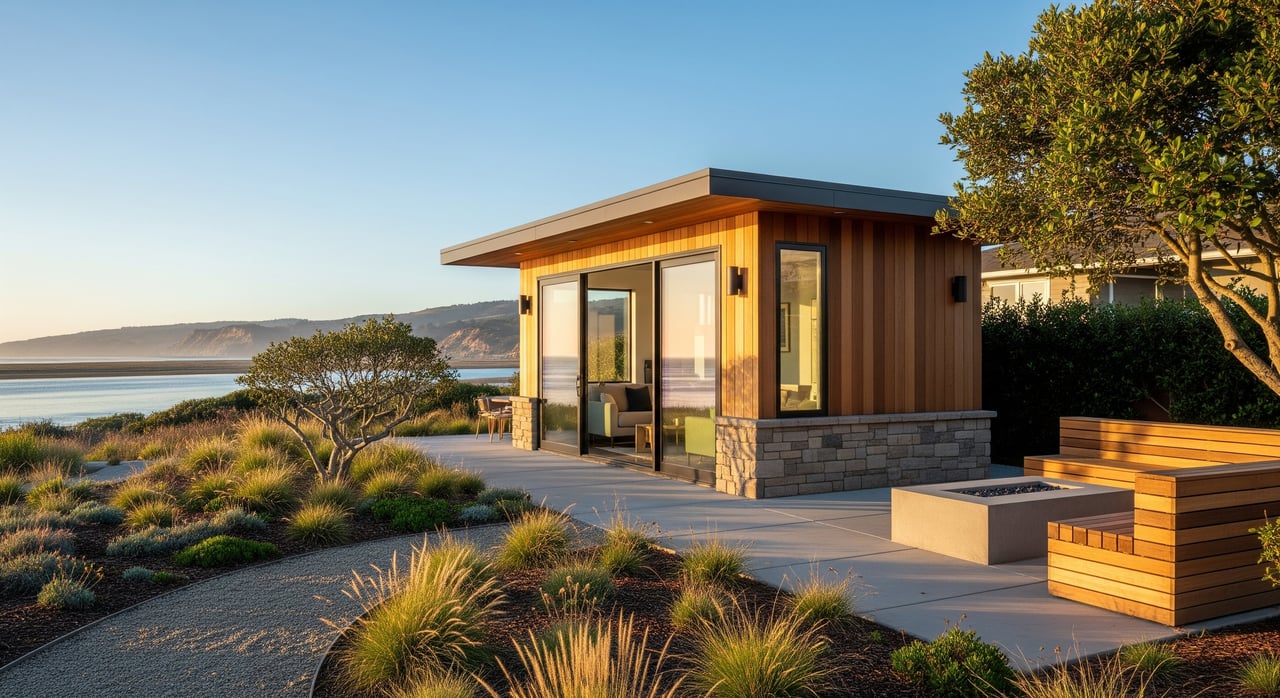
ADU Basics In Los Osos: What To Know Before You Build
Thinking about adding an accessory dwelling unit to your Los Osos property? Whether you want space for family or a steady rental, an ADU can be a smart way to unlock flexibility and value. The process has many parts though, from coastal rules to septic capacity and parking. In this guide, you’ll learn the essentials you need to check before you design or build, plus a simple roadmap to keep your project moving. Let’s dive in.
An ADU is a self-contained home on the same lot as an existing house. You can build it as a detached unit, attach it to your home, or convert space like a garage. If your project meets objective standards, approval is typically a ministerial building permit rather than a public hearing.
A Junior ADU is usually within your existing home and is commonly capped at 500 square feet under state law. JADUs use existing space and can be a faster, lower-impact option if you do not need a standalone structure.
Parts of Los Osos sit inside the California Coastal Zone. ADUs in the Coastal Zone may need additional review under the County’s Local Coastal Program. Site-specific conditions can affect design, location, and timelines.
California has streamlined ADU approvals and limited many local restrictions. In Los Osos, San Luis Obispo County Planning and Building administers zoning and permits for ADUs. County standards guide things like setbacks, height, and lot coverage.
The County’s ordinance and checklists outline exact size limits, placement, and parking exceptions. Parking requirements are often reduced by state law, yet local exceptions can apply. Coastal and environmental overlays can add steps that do not apply elsewhere in the County.
Confirm your zoning and whether ADUs are allowed on your lot. Review setbacks, height limits, and lot coverage to understand buildable area. Note easements, irregular shapes, or slopes that could constrain placement.
Many Los Osos homes rely on on-site septic systems. Adding an ADU often triggers a capacity review and may require system upgrades or redesign. If your property connects to a public sewer, expect a connection permit, inspections, and possible fees.
Verify your water source and meter capacity. Some water providers require separate meters or upgrades for added plumbing fixtures. Pressure and meter size can affect your design and costs.
Coastal dunes, wetlands, or sensitive habitats are common in and around Los Osos. Your site may need biological studies or impact mitigation. Archaeological review can be required when you disturb ground in certain areas.
Check driveway width, potential curb cuts, and turnaround space. Narrow streets or long driveways may need engineered access solutions. Wildland-Urban Interface requirements can influence materials, ember resistance, and defensible space.
Historic review can apply on some parcels. Private covenants, conditions, and restrictions may also limit where and how you build. Review these early so you can plan accordingly.
State reforms reduced parking mandates for ADUs, especially near transit or when converting existing space. Local standards still control specifics and exceptions. Even if parking is not required, consider practical needs for your household and tenants.
Older homes often need electrical service or panel upgrades for an ADU. Plan for gas and HVAC equipment placement and code-compliant venting and setbacks. Separate meters for water or electricity can be allowed or required based on provider policy.
Impact fees for ADUs are limited by state law compared to full-size homes, yet local connection and capacity charges can apply. Expect potential fees for sewer, water, and utility meters. Confirm policies with the County and your utility providers.
Even small ADUs can change site drainage. Coastal slopes and sandy soils may need a drainage plan to avoid erosion or runoff toward sensitive areas. Significant grading can require permits and inspections.
Pre-application and feasibility checks often take 2 to 6 weeks. Ministerial planning review can be 2 to 8 weeks, and building permit review can take 4 to 12 weeks depending on complexity. Construction ranges from a few months for interior conversions to many months for detached builds, and coastal or environmental reviews can extend timelines.
Your budget should account for possible utility upgrades, connection fees, technical studies, and site work. Design choices and finishes also influence costs and timelines. A clear plan helps you compare a detached ADU to a JADU or a garage conversion.
Define how you plan to use the space today and in the future. A JADU can be a nimble solution within your existing footprint. A detached ADU can offer more privacy and rental potential, subject to local standards and capacity.
ADUs can enhance a property’s versatility for multigenerational living or rental income. If you are thinking about resale timing, plan your design and documentation so the unit presents well when you list. Keep permits and final approvals organized.
A little groundwork goes a long way. Start with zoning and utility checks, then map out any coastal, environmental, or fire requirements that apply to your parcel. Build a realistic timeline that includes planning, permits, and construction. If you are weighing an ADU for long-term value or a future sale, connect with a local advisor who understands buyer expectations in San Luis Obispo County.
If you want to talk through options and how an ADU might fit your goals in Los Osos, reach out to Kristie Barry for local market guidance and a complimentary home valuation.

I’m here to offer personalized, expert advice tailored to the vibrant markets of San Luis Obispo County. Contact me today to discuss your needs, ask questions, or schedule a consultation —let’s transform your real estate dreams into reality.

Kristie Barry | CA DRE# 02085770
711 Tank Farm Rd Ste 100 San Luis Obispo CA 93401