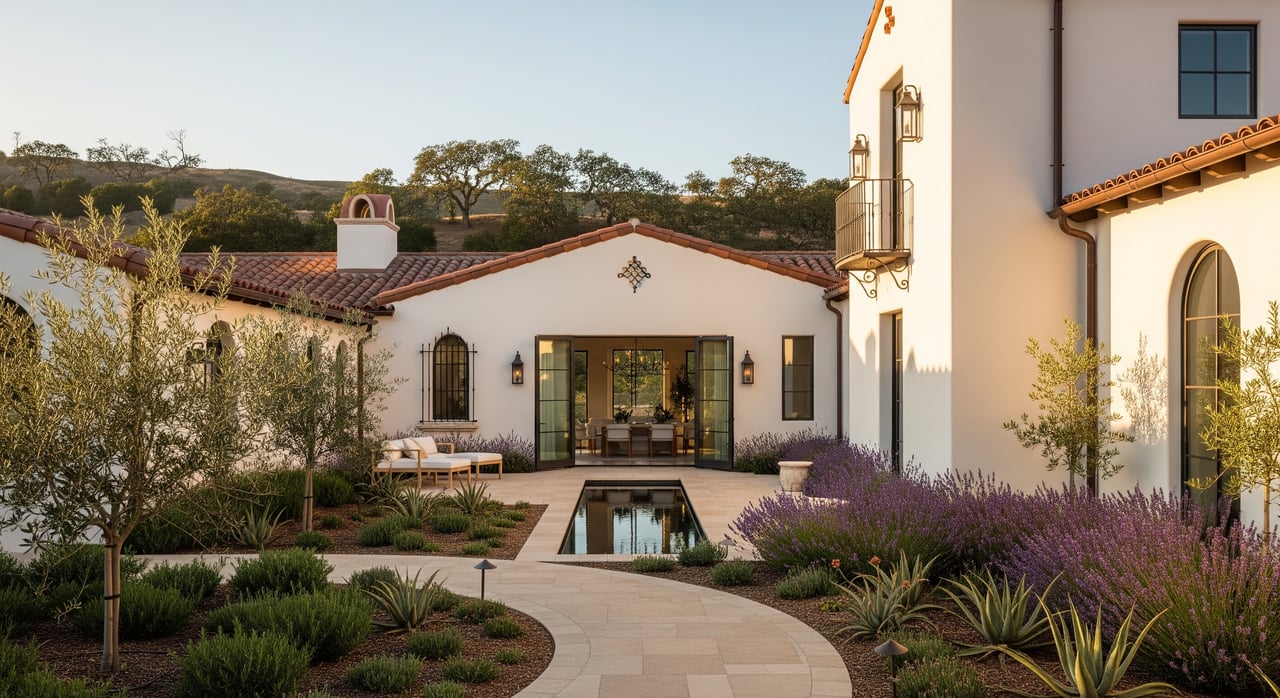
Your Guide to Cal Poly SLO Housing Options Nearby
Trying to live close to Cal Poly without giving up space, budget, or sanity? You’re not alone. Whether you’re faculty, staff, or moving your family to San Luis Obispo, finding the right fit comes down to daily commute, housing type, and neighborhood feel. In this guide, you’ll learn how single‑family homes, townhomes, and condos compare near campus, what commute patterns look like, and which nearby areas match common needs. Let’s dive in.
Choosing between a single‑family home, townhome, or condo affects your day‑to‑day life and your monthly costs. Start with how you plan to commute, how much space you need, and how hands‑on you want to be with maintenance.
Single‑family homes give you more indoor space, yards, and private parking. Many families and long‑term faculty prefer this option for room to grow and flexibility. Purchase prices are typically higher and property taxes scale with price, so plan for a larger overall budget.
What to know:
Townhomes strike a middle ground. You often get more square footage than a condo, sometimes with a small yard or garage. There is usually an HOA that handles exterior upkeep and shared areas.
What to know:
Condos tend to offer the lowest entry price and lowest maintenance. They work well for single staff or faculty, or small families who value a simple lifestyle close to campus.
What to know:
Near Cal Poly, your commute options are flexible. The right choice depends on your neighborhood, topography, and schedule.
Cal Poly offers faculty and staff parking permits with designated lots. Availability varies by lot and permit type. Many employees who live in bikeable areas choose to ride to avoid parking logistics, and bike infrastructure continues to improve. Always verify current permit options and rules with the university before you decide where to live.
Use these quick snapshots to match your daily routine, space needs, and budget comfort. Commute times reflect typical patterns and topography.
You’ll find a mix of older single‑family homes, duplexes, small condos, and apartments close to the downtown core and Grand Avenue. Walking or biking to campus can be 5–15 minutes. Driving is fast, but parking around campus and downtown can be tight. This area offers the highest walkability with restaurants, shops, and cultural venues. Expect smaller yards and more street activity.
Best if you want: Minimal commute and a lively, urban feel with lots of amenities nearby.
These west and southwest corridors offer older and mid‑century single‑family homes plus pockets of townhomes and duplexes. Walking or biking is feasible in about 10–20 minutes for some homes, and driving is typically 5–10 minutes. Streets feel more residential with parks like Laguna Lake Park and easy access to daily needs.
Best if you want: A quiet residential vibe with short commutes and good access to outdoor space.
South and southeast of campus, this area has suburban single‑family homes from different eras, plus some townhomes and duplexes near commercial corridors. Driving is usually 5–10 minutes, and bike routes exist with some slopes. You’ll find convenient shopping, groceries, and services nearby.
Best if you want: Larger indoor and outdoor space within a short drive of campus.
These foothill neighborhoods mix older and upscale single‑family homes on varied lots. Driving times to campus often run 5–15 minutes depending on the route. Biking is more strenuous due to elevation, and transit is limited. Scenic views and hiking access are big draws, and pricing tends to be higher.
Best if you want: Privacy, outdoor access, and views, and you’re comfortable paying a premium.
South of Broad Street toward Pismo Beach, you’ll see newer subdivisions, townhomes, and detached homes, with some rural pockets further out. Driving to campus usually takes 10–20 minutes. Biking is limited for most locations. You’ll have quick highway access and a more suburban environment.
Best if you want: A larger home or yard at a potentially lower cost than inner SLO, with an easy drive.
Common options include Atascadero, Arroyo Grande, Pismo Beach, Grover Beach, Morro Bay, and Los Osos. Housing types vary widely, from more affordable single‑family homes in some inland areas to higher‑priced coastal properties. Drives typically range 15–35 minutes or more depending on distance and traffic. Many buyers accept a longer commute for more square footage, bigger lots, or beach access.
Best if you want: More home for the money or coastal living, and you’re comfortable with a longer drive.
San Luis Obispo home prices are historically above the California median, with premiums for proximity to campus and downtown. Exact numbers move quickly, so verify the latest MLS data before you tour. Focus on total monthly cost, not just purchase price.
Key cost factors:
If you have kids, school boundaries matter. San Luis Obispo city addresses are primarily served by San Luis Coastal Unified School District. Confirm the assigned elementary, middle, and high schools for any specific address. For daily routines, consider walkability to parks, access to groceries and healthcare, and the lighting on streets you’ll use in the early morning or evening.
Look for:
Use this quick list to stay focused during tours and open houses:
You deserve clear guidance that fits your life, not just a list of homes. I help you compare neighborhoods in “rings” around campus: walk‑ and bike‑friendly areas, short‑drive family neighborhoods, and longer‑commute cost‑savers. Together, we’ll test commutes, verify school boundaries, and break down HOA details and maintenance considerations so you can choose with confidence.
If you’re weighing single‑family home space against townhome or condo convenience, I’ll map total monthly costs, including HOA dues, parking options, and likely maintenance. When you’re ready to tour, I’ll line up properties that match your priorities and organize a step‑by‑step plan from offer to closing.
Ready to explore the right fit near campus or across the Central Coast? Reach out to Kristie Barry for local guidance tailored to your needs. Considering a sale as part of your move? Request your free home valuation and get a clear, data‑driven plan.

I’m here to offer personalized, expert advice tailored to the vibrant markets of San Luis Obispo County. Contact me today to discuss your needs, ask questions, or schedule a consultation —let’s transform your real estate dreams into reality.

Kristie Barry | CA DRE# 02085770
711 Tank Farm Rd Ste 100 San Luis Obispo CA 93401